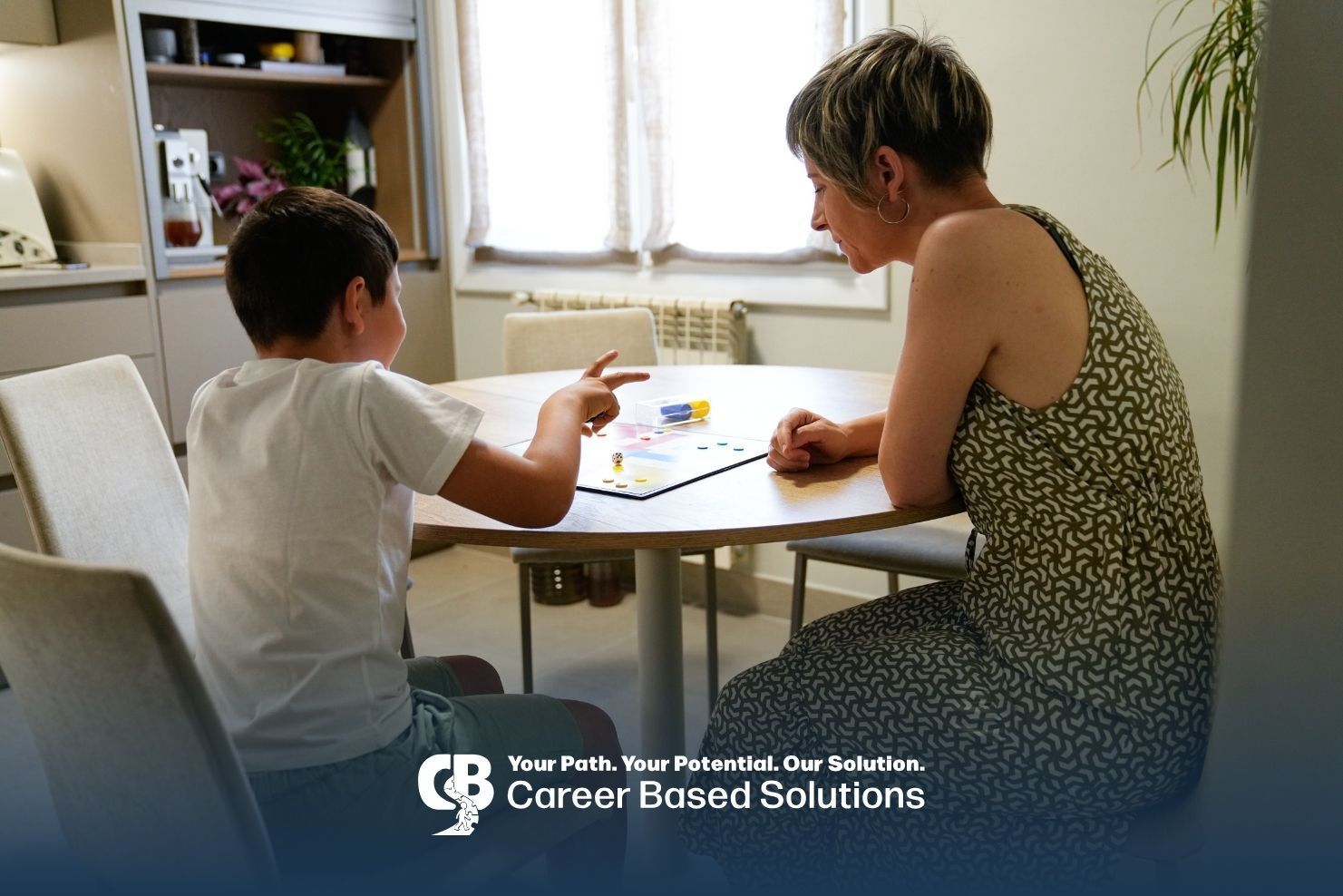
Understanding Clinic-Based ABA Therapy
When families begin exploring
Applied Behavior Analysis (ABA) for their child, one of the first questions that comes up is where therapy should take place. ABA can be delivered in several settings, and each one offers something different. Clinic-based ABA therapy is one of the most common and effective options, and for many autistic children, it provides exactly the kind of structure they need to make steady progress.
In simple terms, clinic-based ABA therapy is one-on-one or small-group therapy that takes place in a dedicated center designed specifically for behavioral learning. Instead of working at home or in a classroom, your child attends a purpose-built facility where trained therapists, structured routines, and specialized resources all come together in one place.
This guide explains what
clinic-based ABA therapy involves, how a typical session unfolds, the benefits it offers, and how it compares to other settings. Whether you are a parent weighing your options, an educator supporting a student, or a professional new to the field, our goal is to help you understand whether a clinic setting is the right fit for the child in your care.
How Clinic-Based ABA Therapy Works
Clinic-based ABA therapy follows the same scientific principles as ABA delivered in any other setting. What sets it apart is the environment. A clinic is built from the ground up to support learning, which shapes how sessions are planned and carried out.
A Structured Therapeutic Environment
A clinic is organized around therapy. Rooms are arranged to minimize distractions, materials are kept within easy reach, and spaces are often divided by purpose. There may be quiet areas for focused one-on-one work, open areas for movement and play, and group spaces where children practice social skills together. This intentional design helps children settle into a predictable rhythm, which makes it easier for them to focus and engage.
Individualized Treatment Plans Built Around Your Child
Every child who attends a clinic begins with a comprehensive assessment carried out by a Board Certified Behavior Analyst (BCBA). The BCBA identifies the skills your child is ready to build, from communication and daily living tasks to social interaction and emotional regulation. From there, the team creates an individualized treatment plan with clear, measurable goals. In our sessions, we have seen how powerful it is when goals are broken into small, achievable steps that build on one another, because progress in one area often unlocks growth in several others.
Continuous Data Collection and Progress Tracking
One of the defining
features of ABA is its reliance on data. During each session, therapists record how your child responds to different prompts and activities. The
BCBA reviews this information regularly and adjusts the plan based on what is actually working. This steady feedback loop keeps therapy responsive to your child rather than following a fixed script. We have found that families appreciate seeing this data, because it turns progress into something concrete they can follow week to week.
What Happens During a Clinic Session
No two children have identical sessions, but most follow a familiar flow. A session usually begins with a warm welcome and a short period to help your child transition into the space. From there, the therapist moves through a series of structured activities, each tied to a specific goal.
A single session might blend focused skill-building with naturalistic teaching, where learning happens through play and everyday moments. Your child might practice requesting a snack, taking turns in a game, following a multi-step instruction, or working through a task that feels frustrating, all with the support of a therapist trained to respond patiently and consistently. Breaks are built in, and positive reinforcement is used throughout to keep your child motivated and engaged.
Because clinics often serve several children at once, there are natural chances for supervised peer interaction. A child working on greetings or sharing can practice those skills with peers in real time, which is something that can be harder to arrange in a home setting.
Key Benefits of Clinic-Based ABA Therapy
Families choose clinic-based ABA therapy for many reasons. The setting offers a combination of structure, resources, and social opportunity that can be difficult to replicate elsewhere.
A Focused, Low-Distraction Setting
Home life is full of wonderful but distracting things: pets, siblings, screens, toys, and the comfort of familiar routines. A clinic removes many of those competing demands. For children who are easily pulled off task, this controlled environment can make it significantly easier to attend, learn, and retain new skills.
Built-In Opportunities for Peer Interaction
Social skills are best learned through practice with other people. A clinic naturally brings together children of similar ages and abilities, creating organic opportunities to work on sharing, turn-taking, conversation, and play. We have repeatedly seen children make meaningful social gains simply because the clinic gives them safe, structured chances to interact with peers under the guidance of their therapists.
Access to Specialized Materials and Spaces
Clinics are equipped with tools that support a wide range of goals, from sensory equipment and communication devices to structured learning materials and dedicated play areas. Having everything in one place means therapists can pivot quickly between activities and tailor each session to what your child needs that day.
Close Clinical Supervision
In a clinic, BCBAs and supervising staff are on site, which allows for real-time oversight of therapy. If something needs adjusting, the supervising analyst can step in promptly. This close supervision helps maintain a high standard of care and ensures that therapists consistently deliver the plan as intended.
Clinic-Based ABA Therapy Compared to Other Settings
Clinic-based therapy is one of several effective options, and the best choice often depends on your child's goals, age, and daily life. Understanding how the settings differ can help you make a confident decision.
Clinic-Based vs. In-Home ABA Therapy
In-home ABA therapy brings the therapist into your family's everyday environment, which is ideal for goals tied to home routines such as mealtimes, bedtime, and family interactions. Clinic-based therapy, by contrast, offers a distraction-controlled setting and easier access to peers and specialized resources. Many families find that the two approaches answer different needs. Skills first taught in the focused environment of a clinic can later be generalized at home, and what a child learns at home can reinforce clinic goals. Neither is universally better. They simply serve different purposes.
Combining Clinic Care With Other Services
Clinic-based therapy rarely works in isolation. It often pairs well with parent training, which equips caregivers to support skills at home, and with school-based ABA therapy for children who need support in the classroom. Some families also use seasonal options like a summer ABA therapy program to maintain momentum when school is out. A thoughtful combination of services, coordinated by your BCBA, can give your child consistent support across the settings that matter most.
Who Is Clinic-Based ABA Therapy Right For?
Clinic-based ABA therapy can benefit a wide range of children, but it tends to be an especially strong fit in certain situations. It often works well for: