
Early intervention ABA therapy Fredericksburg & Virginia
Jumpstart your child's progress.
Early ABA therapy teaches communication, independence, and social skills while your child's brain is wired to learn fastest. Start ABA before your child turns four, and you've given them a head start on succeeding.

Young kids learn fast. Their brains are wired for it. Skills that take months to teach at age 7 can click in weeks at age 3.
Starting ABA therapy early means your child learns to communicate what they need instead of endless frustration. Social skills develop while other kids are still figuring them out. Daily routines become manageable: meals, bedtime, getting dressed. Meltdowns decrease because your child has better tools.
You spend less time managing behaviors and more time enjoying your kid.
Starting early doesn't lock your child into therapy forever. It gives them tools faster, so they need less help later.
Why early intervention ABA matters
Starting early makes all the difference
ABA therapy skill building
What changes in therapy
Your child learns to ask for things using words, signs, pictures, or devices—whatever works. Instead of melting down when you can't read their mind, they communicate what they need.
Playing develops too. Your child learns to use toys appropriately, engage in pretend play, share, and take turns—the stuff that helps them fit in at daycare and with cousins.
Independence grows as they learn to use a spoon, toilet train, put on shoes, and get through morning routines without constant fighting.
Transitions get easier. Leaving the park, switching activities, getting in the car—things that used to end in complete breakdowns start happening with less struggle.
And big feelings become manageable. Tantrums, hitting, throwing things—these decrease as your child learns better ways to handle frustration.
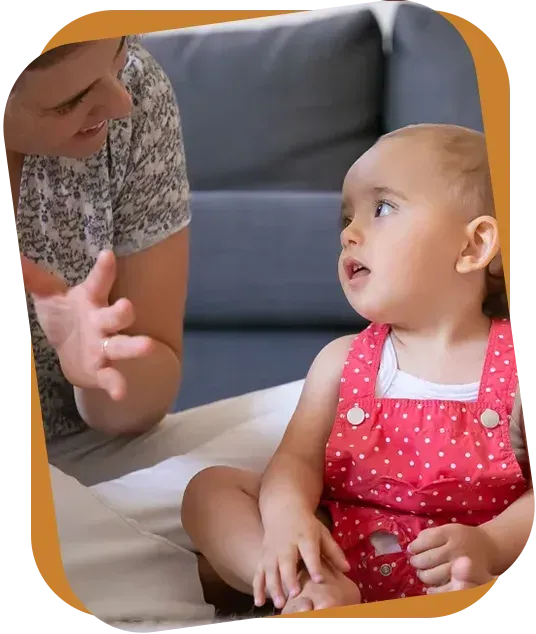
How early intervention ABA works
Here's the process
Our BCBA starts by assessing your child to figure out where they are now and what skills matter most to your family. From there, we build a specific plan with real strategies and a therapy schedule that actually fits your life.
Therapy begins one-on-one with a therapist at your home, our Fredericksburg center, or your child's daycare. Sessions are play-based and don't feel like work. You're learning too—we teach you what to do between sessions so progress happens all day, not just during therapy hours.
As your child grows, your BCBA tracks progress and updates the plan when they're ready for new goals. No waitlists. Most families start within weeks.
In-home clinic daycare ABA therapy
How we deliver therapy
We can come to your home and work on real-life skills during meals, playtime, and routines so your child learns where they live. Or we offer structured sessions at our Fredericksburg center, designed for skill-building and socialization in a calm environment.
If your child attends daycare or preschool, we coordinate with their program and provide therapy during the day so they practice skills with other kids.
Early intervention ABA progress timeline
What changes, month by month
First Month
In the first month, you’ll feel relief. Your therapist shows up, will never ever judge you, and just starts helping your family move forward.
2-3 Months
By months 2-3, small wins start adding up. Your child uses a new word. They sit through dinner without a meltdown. A transition that used to end in screaming happens without a fight.
4-6 Months
Around months 4-6, real change starts happening. Teachers mention improvements. Family members notice the difference. Your child asks for things instead of melting down, and daily life feels more manageable.
After 6 Months
After month 6, skills are sticking. Your child communicates more effectively, plays better with siblings, and follows routines independently. The work you put in is paying off.
Early intervention locations Northern Virginia
Where we're located
Our main Fredericksburg clinic has play-based therapy rooms designed for young children. We also provide in-home ABA throughout Virginia.
And we coordinate with your child's preschool or daycare if they attend one.
Insurance coverage ABA therapy
Yes, you’re covered
Most major insurance plans cover ABA therapy for children with an autism diagnosis. We verify your coverage upfront and handle all paperwork so you don't have to worry about it.
Northern Virginia early intervention resources
You've got resources. Let's use them.
Assessment, training, consultation for families.
Inclusive recreation, sports, camps for children with disabilities.
Information about preschool special education and kindergarten support.
Resources for supporting young children's emotional and behavioral development.

Early intervention parent stories
Hear from the parents
"We started at 2.5 and it changed everything."
"Jennifer's daughter was diagnosed with autism just before turning 2. Career Based Solutions started in-home ABA when she was 2.5. "The therapist didn't come in with worksheets. She played with my daughter and showed me how to encourage language during meals and playtime. I understood what early intervention actually was."
Jennifer's daughter is now in preschool. "She talks. She plays with other kids. She has confidence. The early years made all the difference."
- Jennifer M., Fredericksburg
"We noticed something was different. Starting early meant we trusted our instincts."
"Marcus and Lisa noticed their son wasn't talking like his older sister. They started early intervention ABA before a formal diagnosis. "Starting early meant we acted instead of waiting. By the time he was formally diagnosed, he'd already been making progress."
Their son is now in preschool. "Early intervention gave him a foundation and gave us tools. Starting early was absolutely the right decision."
- Marcus & Lisa T., Stafford
"I learned strategies I use every single day."
"Rachel's daughter was diagnosed with autism at age 3. "I felt lost. I didn't know how to help her or handle the transitions and meltdowns."
Early intervention ABA with parent coaching changed things. "The therapist taught me strategies I use every day—at breakfast, during transitions, at bedtime. I feel capable now instead of terrified."
- Rachel K., Alexandria
Early intervention ABA questions
Real questions, real answers
What age should my child start?
If you're noticing delays or challenges, contact us. Most kids start between 2 and 5, but every situation is different.
Does my child need a diagnosis first?
Yes. ABA therapy requires an autism diagnosis from a doctor or psychologist.
H3: How many hours per week?
How many hours per week?
Depends on your child. Most young kids receive 10-30 hours weekly. Your BCBA recommends a schedule after assessment.
Will this change who my child is?
No. Your child's personality stays. We teach skills that help them express themselves better and handle life with less frustration.
How long will they need therapy?
Every kid is different. Some make huge progress in 6-12 months. Others need longer support. Plans adjust as your child grows.
Can I be involved?
Yes. You're part of the team. We teach you strategies to reinforce skills throughout the day.
What if my child goes to daycare?
Great. We can provide therapy there so they practice skills with other kids.
Is there a waitlist?
No. We start fast.
What if my child won't cooperate?
Our therapists work with resistant, anxious, or wiggly kids all the time. We adjust our approach to meet your child where they are.
How will I know it's working?
You'll see it at home. Better communication. Fewer meltdowns. More independence. We also track data and share updates.
Does insurance cover this?
Most plans cover ABA therapy for autism. We verify benefits upfront and handle all paperwork.
Early intervention ABA questions
Ready to get started?
Start early. Build skills that stick. Make life easier for your kid and for you.


