Finding a Low-Distraction Area
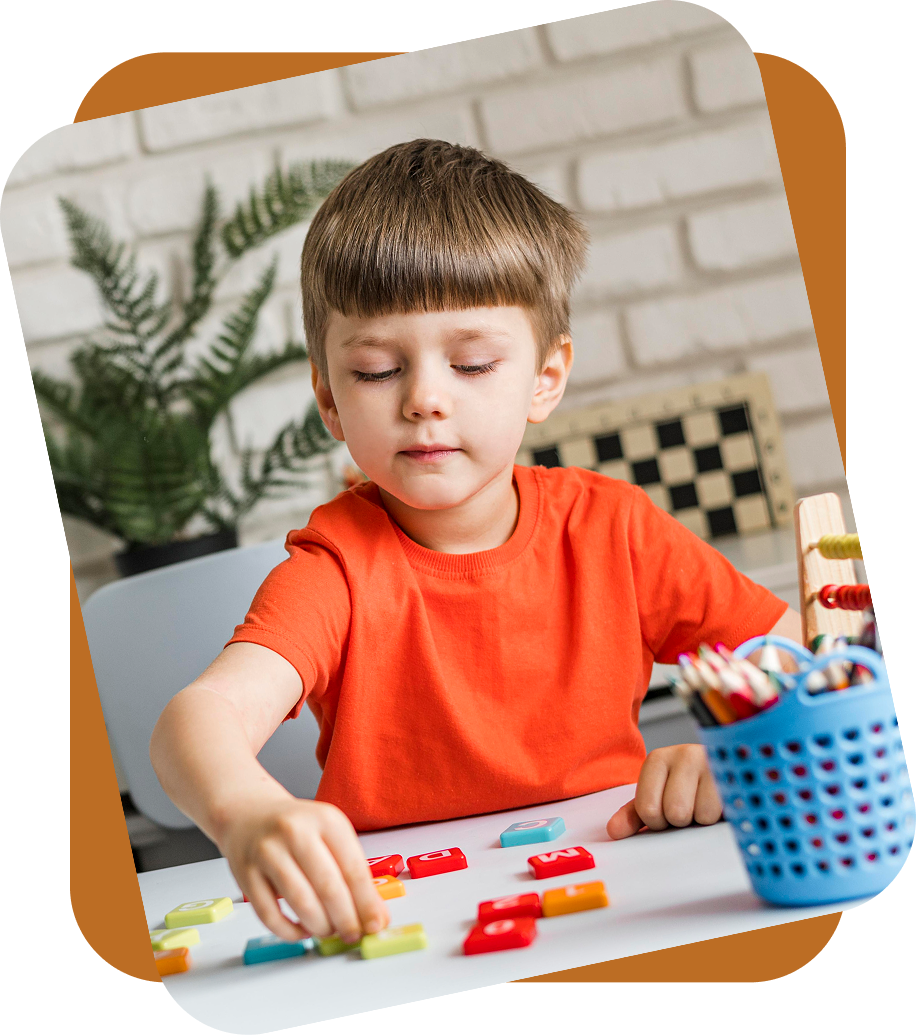
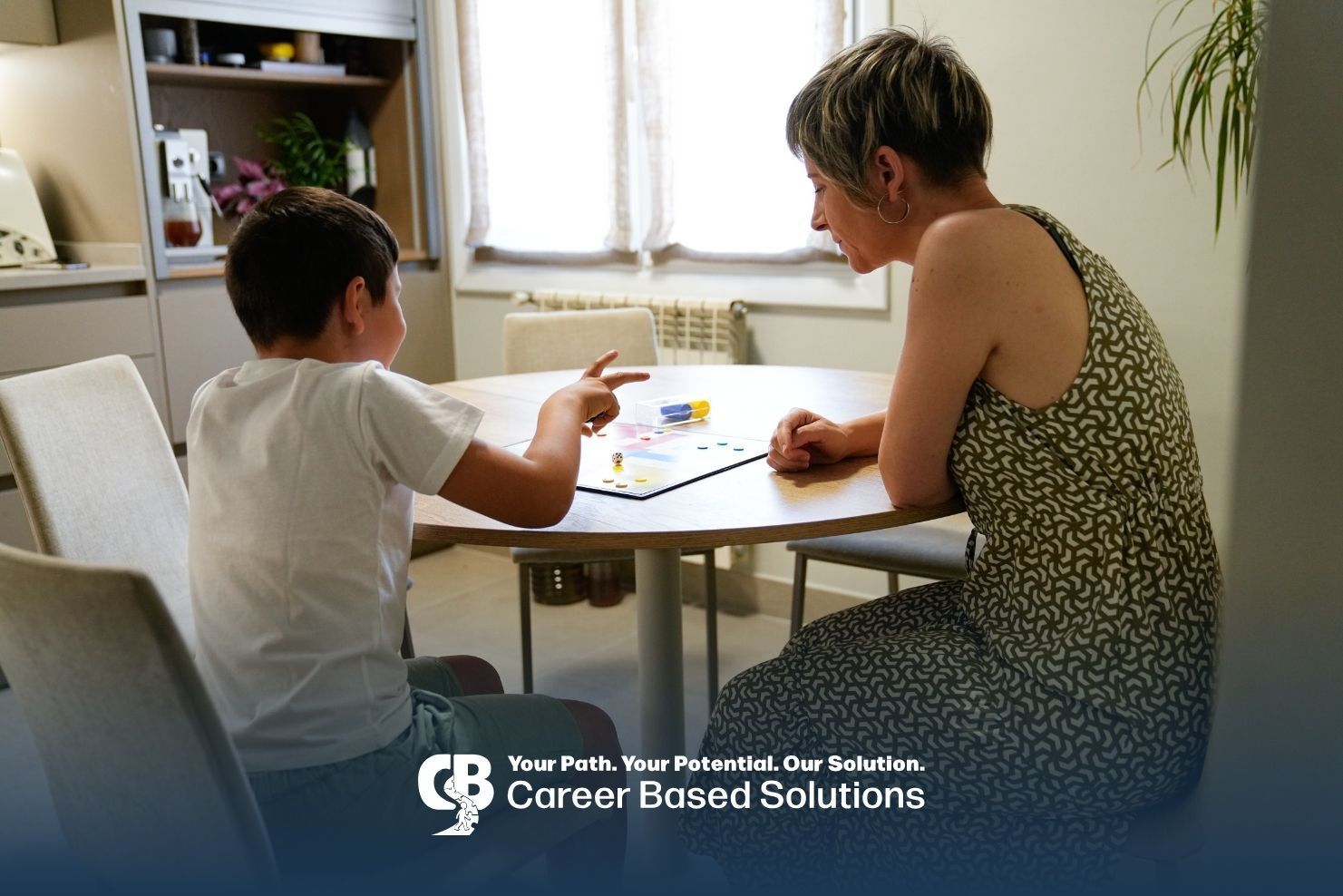
Pick a spot away from the busiest parts of the house. A corner of a bedroom, a section of the living room, or a quiet end of the dining area can all work well. The key is that the space should be predictable. When a child knows that a particular table or rug is where learning happens, the location itself becomes a cue that helps them settle in.
Try to choose an area with a door or a natural boundary if possible. This makes it easier to limit foot traffic and reduce interruptions. If your home is open-plan, a low bookshelf, a play mat, or even a folding screen can mark off the working zone without closing the space in completely.
Making Room for Movement and Materials
ABA sessions
are rarely about sitting still for hours. Many activities involve movement, play, and hands-on tasks, so leave enough floor space for your child and therapist to work comfortably. A small table and two child-sized chairs are useful for tabletop tasks, but you will also want a clear floor area nearby for play-based learning and motor activities.
Make sure there is a power outlet within reach for any tablets or timers, and a flat surface where the therapist can set up data sheets or a laptop. Small details like these keep a session flowing instead of stopping every few minutes to hunt for what is needed.
Reducing Distractions and Sensory Triggers
A home that feels relaxing to an adult can feel overwhelming to a child who is sensitive to noise, light, or visual clutter. Preparing the sensory environment is one of the most overlooked parts of getting ready.
Managing Noise, Lighting, and Visual Clutter
Turn off televisions and background music during sessions, and silence phones or move them out of the room. If your home is naturally loud, schedule sessions during quieter parts of the day when possible, or use a room farther from street noise and shared living areas.
Lighting matters too. Harsh overhead lights or flickering bulbs can be distracting or uncomfortable. Natural light from a window is often ideal, with the option to soften it using curtains if it gets too bright. Finally, clear the working area of visual clutter. A table covered in mail, toys, and household items competes for attention. A clean, simple surface helps your child focus on the activity in front of them.
Considering Your Child's Sensory Profile
Every autistic child
experiences the world differently. Some seek out movement and deep pressure, while others are easily overwhelmed by certain textures, sounds, or smells. Think about what tends to calm your child and what tends to set them off. If strong cooking smells from the kitchen are unsettling, choose a room farther away. If your child finds a particular blanket or cushion soothing, have it nearby.
Sharing these observations with your therapist before the first session is genuinely valuable. We have seen that a quick conversation about a child's sensory preferences often saves weeks of trial and error, because the therapist can design activities around what helps your child stay regulated.
Organizing Therapy Materials and Reinforcers
Your therapist will bring most of the professional materials, but a little organization on your end keeps everything running efficiently and helps you stay involved between visits.
Setting Up a Dedicated Storage System
Designate a bin, basket, or drawer near your therapy space to hold session items. This might include flashcards, picture cards, manipulatives, or worksheets that stay at home between visits. Keeping these in one consistent place means no one is searching the house at the start of a session, and it signals to your child that it is time to begin.
A simple labeled storage box also makes it easier for you to practice skills on your own. When the materials are visible and accessible, families are far more likely to reinforce learning during the rest of the day.
Keeping Reinforcers Fresh and Accessible
Reinforcers are the toys, activities, snacks, or privileges that motivate your child to engage and learn. They are the engine of ABA, so it helps to have a few favorites ready and within reach. Keep a small selection nearby, and try to rotate them so they stay exciting. A toy that a child plays with all day long loses its motivating power during a session.
Talk with your therapist about which items work best as reinforcers and which ones are better saved for therapy time only. Holding back a special toy or activity for sessions can give it more pulling power and keep your child eager to participate.
Preparing Your Family and Household Routine
The physical space is only half the picture. The people in the home, and the rhythms of the day, matter just as much.
Talking to Siblings and Family Members
Siblings
are naturally curious, and a stranger working with their brother or sister at the kitchen table will draw attention. Before therapy begins, explain to other children in simple terms what is happening and why. Let them know there will be quiet times when the session should not be interrupted, and give them their own activity or space during those windows.
It also helps to brief any other adults in the home, including grandparents or caregivers, so everyone understands the schedule and avoids walking through the working area mid-task. A household that is on the same page makes sessions calmer for everyone, especially the child.
Building Consistency Between Sessions
ABA works best when the strategies used in a session continue throughout the day. This is where you, as a parent, become the most powerful tool your child has. Learning to use the same prompts, rewards, and routines that your therapist uses helps your child generalize skills far faster.
Many families find that parent training
gives them the confidence to carry techniques into mealtimes, bedtime, and outings. For younger children, pairing home preparation with early intervention
can make an especially big difference, since skills tend to take root more quickly during the early developmental years. The more consistent the environment, the more progress tends to stick.
Safety Considerations for In-Home Sessions
A home that is set up for safe play is a home that is set up for good therapy. Walk through your chosen space and look at it from your child's perspective.
Secure or remove anything that could be unsafe, such as breakable objects, sharp items, cords, or small choking hazards, especially during active, movement-based activities. Make sure furniture is stable and that there is nothing your child could climb or pull over. If your child is a runner or tends to leave the room, plan how you will keep doors and exits secure during sessions.
Sharing any known safety concerns with your therapist ahead of time, such as a tendency to mouth objects or bolt toward the front door, allows them to plan activities that keep your child safe while still making progress. Safety preparation is not about creating a sterile environment. It is about removing avoidable risks, so the session can focus on learning.
What to Expect on the First Day
Even with a well-prepared home, the first session is mostly about connection, not drills. Therapists usually spend early visits building rapport, getting to know your child, and observing how they respond to the space and activities. This is normal and important. A child who trusts their therapist learns more readily than one who feels rushed.
In our experience, families often feel more relaxed when they know the first day is meant to be gentle. You do not need to have everything perfect. You simply need a reasonably quiet space, a few reinforcers, and an open line of communication with your provider. The setup can be refined together over the first few weeks as you learn what works best for your child.
Conclusion
Preparing your home for in-home ABA therapy comes down to a handful of manageable steps: choose a consistent, low-distraction space, manage noise and sensory triggers, organize materials and reinforcers, get your family and routine aligned, and make the area safe. None of these requires a big budget or major changes to your home. They simply create the conditions where your child can focus, feel comfortable, and learn.
The families who get the most out of in-home therapy are rarely the ones with the largest houses or the fanciest setups. They are the ones who build a predictable, supportive environment and stay actively involved in the process. With a little preparation and an open partnership with your therapy team, your home can become one of the most effective learning spaces your child will ever have.
Get Started With In-Home ABA Therapy
Career Based Solutions
provides in-home ABA therapy to families across
Virginia, with services in
Fredericksburg,
Stafford, and
Spotsylvania. Whether you are preparing for your first session at home, exploring parent training, or considering support at our ABA therapy clinic,
our team
can help you build a plan that fits your child and your household.
Contact us today
to learn how we can support your family at home.
Frequently Asked Questions