Learning the Purpose Behind Behavior
A foundational piece of ABA is understanding that behavior serves a purpose. Whether a child is asking for a snack, avoiding a difficult task, seeking attention, or looking for sensory input, behavior is a form of communication. Parent training usually starts by helping caregivers see behavior through this lens, often using the simple
ABC framework: the Antecedent (what happens before), the Behavior itself, and the Consequence (what happens after).
Once parents can spot these patterns, the strategies stop feeling like arbitrary rules and start making sense. A parent who understands that a meltdown at bath time is driven by escape rather than defiance can respond in a way that teaches a better skill instead of accidentally reinforcing the behavior.
Practicing Strategies in Real Time
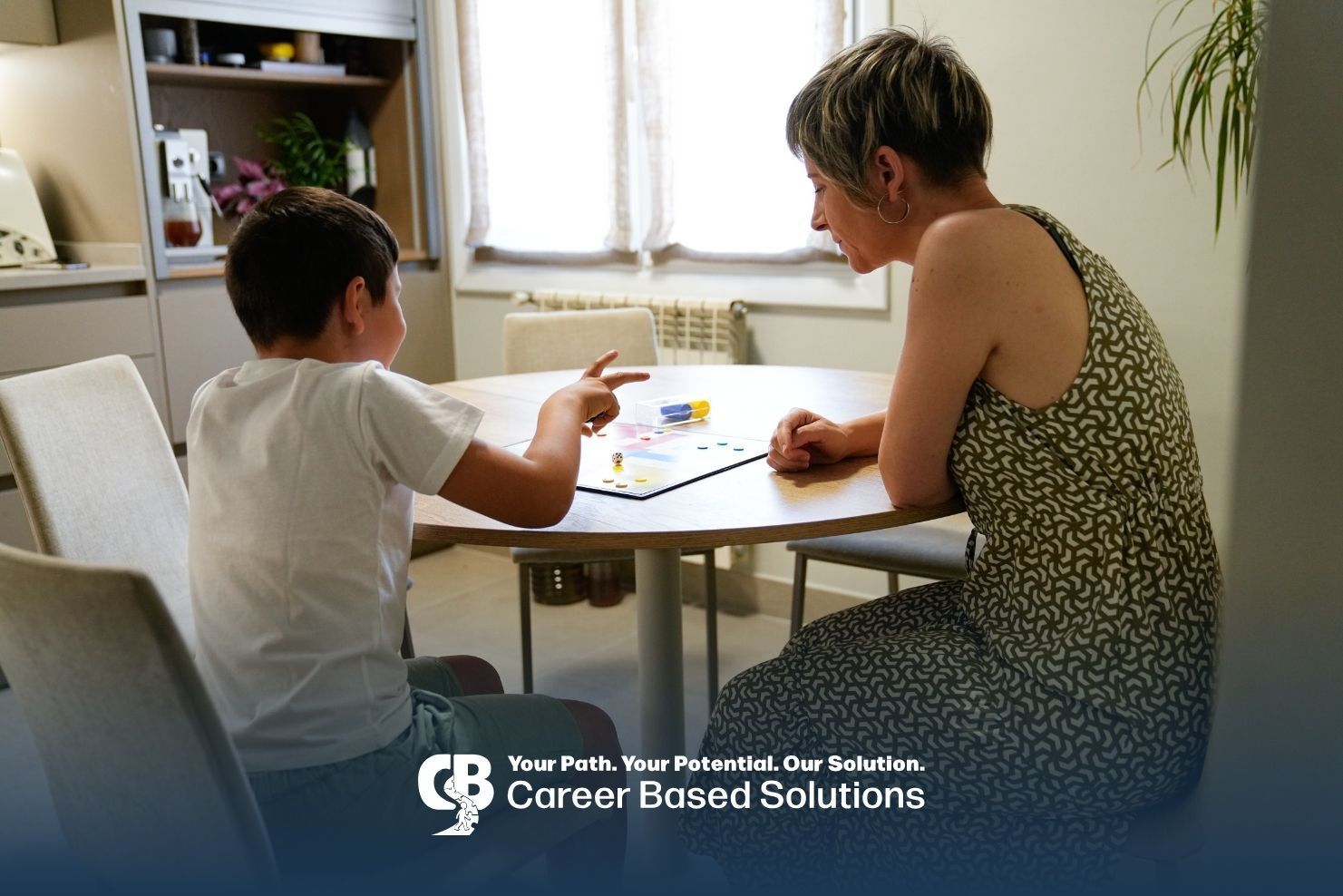
The heart of parent training is practice with feedback. A BCBA or qualified clinician models a strategy, the parent tries it, and the clinician offers coaching in the moment. This might involve teaching a child to request items using words, pictures, or a device, breaking a daily routine into manageable steps, or responding consistently to a behavior the family wants to reduce.
This coaching often happens during
in-home ABA therapy, where the clinician can guide parents through real situations in the environment where they actually occur. There is a big difference between hearing how to handle a transition and being supported through it as it unfolds in your own living room.
Tracking Data and Adjusting the Plan
ABA is a data-driven approach, and parent training is no different. Caregivers learn simple ways to track what is working, whether that is noting how often a child uses a new word or how a particular routine is going. This information helps the BCBA refine the plan over time and gives parents a clear, encouraging picture of progress that can be hard to see day to day.
How Parent Training Strengthens Your Child's Progress
When parent training is done well, the
benefits reach far beyond any single skill. Here is what families tend to notice over time.
Generalization Across Settings
Generalization is the ability to use a skill in new places, with new people, and in new situations. It is one of the most important goals in ABA, and it rarely happens by accident. When parents reinforce the same skills at home that a child is learning in therapy, those skills travel. A request learned in a session becomes a request used at a grandparent's house, in the grocery store, and at the park.
Consistency Between Therapist and Home
Children, and especially autistic children who often thrive on predictability, do best when the adults around them respond in consistent ways. Mixed messages, where therapy uses one approach and home uses another, can slow progress and create confusion. Parent training closes that gap so that everyone is working in the same direction.
Reducing Caregiver Stress and Building Confidence
Parenting any child is demanding, and parenting an autistic child can come with extra layers of stress, especially when behaviors feel unpredictable or overwhelming. One of the quieter benefits of parent training is what it does for caregivers. We have worked with parents who arrived feeling exhausted and unsure, and who, after a few weeks of practicing concrete strategies, described feeling calmer and more confident because they finally had a plan they trusted. That shift benefits the whole family.
What to Expect During the Parent Training Process
Every family's path looks a little different, but most parent training follows a recognizable arc.
The Initial Assessment and Goal Setting
It starts with understanding your child and your family's priorities. A BCBA reviews your child's strengths and needs, talks with you about what daily life looks like, and helps identify goals that genuinely matter to you, whether that is smoother mornings, clearer communication, safer behavior in public, or more independent self-care.
Collaborative Sessions With Your BCBA
From there, training happens through regular sessions, often blended into your child's overall therapy schedule. These sessions are collaborative. You are not being graded. A good clinician meets you where you are, celebrates small wins, and adjusts the pace to fit your family's bandwidth. Some weeks you may focus on a single routine, and other weeks you may layer in something new.
Measuring Progress Over Time
Over the weeks and months, you and your BCBA review how strategies are working and refine them. Goals that are met make room for new ones. This ongoing loop of teaching, practicing, reviewing, and adjusting is what keeps parent training responsive to your child as they grow and change.
Common Questions and Concerns Parents Have
It is normal to feel unsure about parent training at first. A few worries come up often.
Some parents worry they will be blamed for their child's behavior. Quality parent training is the opposite of blame. It starts from the understanding that behavior has causes, that no parent has all the answers, and that everyone benefits from new tools.
Others worry they do not have the time. The honest answer is that parent training does ask for some investment, but it is designed to fit real life, and the strategies are meant to make daily routines easier rather than add another chore. Many families find that the upfront effort pays off in calmer, smoother days.
And some parents wonder whether they will be expected to run formal therapy sessions at home. They will not. The goal is to weave supportive strategies into the natural flow of family life, not to recreate a clinical session at your kitchen table.
How Parent Training Fits With Other ABA Services
Parent training rarely stands alone. It works best as part of a coordinated approach, and the right mix depends on your child's age and needs.
For very young children, early intervention ABA therapy pairs naturally with parent training, since caregivers are central to a young child's learning and progress during these formative years, and can be significant. For school-age children, school-based ABA therapy helps skills carry into the classroom, while parent training keeps the home environment aligned with what is happening at school.
Therapy delivered in a center setting through an ABA therapy clinic offers structure and peer opportunities, and parent training helps ensure the gains made there do not stay there. During the summer, when routines change and school is out, a summer ABA therapy program combined with parent coaching can help families avoid regression and keep momentum going. Across all of these settings, parent training is the thread that ties them together.
Choosing the Right Parent Training Program
If you are exploring parent training for your family, a few things are worth looking for. Make sure the program is led by a credentialed BCBA, that goals are individualized rather than one-size-fits-all, and that the team treats you as a genuine partner. Ask how progress is measured and how often you will meet. A program that welcomes your questions and adapts to your family's culture and values is a program worth trusting.
Families throughout Virginia, including those in and around the greater Fredericksburg region, have access to providers who offer dedicated parent training, and a short conversation with a provider is often the easiest way to understand what a program would look like for your own child.
Conclusion
Parent training is one of the most powerful and underappreciated parts of ABA therapy. It turns parents into confident, capable partners, helps skills generalize beyond the therapy room, keeps everyone consistent, and eases the stress that so many families carry. It does not ask you to become a therapist. It simply gives you the understanding and the tools to support your child in the moments that fill your everyday life. If your child is in ABA therapy, or about to begin, parent training is one of the best investments you can make in their long-term progress and in your family's well-being.
Ready to Get Started?
At
Career Based Solutions, our BCBAs work side by side with families to build practical, personalized parent training that fits your child and your daily routine. We proudly serve families in
Falmouth,
Massaponax, and
Locust Grove with compassionate, evidence-based ABA services.
Contact us today to learn how parent training can support your child's progress. Reach out through our website to schedule a consultation and take the first step toward more confident, connected days at home.
Frequently Asked Questions