Supporting Siblings of a Child with Autism

Recognizing the Sibling Journey in Autism Families 

When one child in a family has autism, it's easy for everyone's attention, energy, and daily routines to shift around that child's needs. That shift is often necessary and loving, but it can leave brothers and sisters feeling like an afterthought. Supporting siblings of a child with autism means recognizing their experience as its own thing, worthy of attention, not just a side effect of their sibling's diagnosis.


This isn't about guilt. Most families are doing their best with the time and energy they have. It's about noticing the sibling relationship as something that needs its own kind of care, and finding small, doable ways to give it that care.


Why Sibling Experiences Deserve Their Own Attention

Siblings of children with autism often carry a mix of feelings that don't get much airtime. They might feel proud of their sibling one moment and frustrated the next. They might feel protective in public and embarrassed at the same time. None of that is a contradiction; it's just what it's like to grow up alongside someone whose needs are different from the "typical" pace of family life.


Common Feelings Siblings Experience

A few feelings tend to show up again and again, though not every sibling experiences all of them, and not at the same intensity:


  • Attention imbalance. Kids notice when a parent's time and energy go disproportionately toward one sibling, even when they understand why.

  • Embarrassment in public settings. A meltdown at a birthday party or a stim that draws stares can feel mortifying for a sibling who is still figuring out how to explain their family to peers.

  • Protectiveness. Many siblings become fierce defenders of their brother or sister, sometimes stepping into an almost parental role earlier than expected.

  • Worry about the future. Older siblings in particular may quietly wonder what their role will look like as adults, including caregiving questions nobody has asked them to think about yet.

  • Guilt over resentment. A sibling might feel bad for feeling frustrated, which can create a cycle of suppressing normal emotions instead of expressing them.


None of these feelings mean a sibling loves their brother or sister any less. They're simply part of a more complicated emotional landscape than kids in typically-developing households usually navigate.


Practical Ways to Support Siblings at Home

Supporting a sibling doesn't require a major overhaul of family life. Small, consistent gestures tend to matter more than big, occasional ones.


Carve Out One-on-One Time

Dedicated time with a parent, even 15 or 20 minutes a few times a week, communicates something siblings need to hear without words: you matter here too, separate from your role as a brother or sister. This doesn't need to be elaborate. A walk, a shared hobby, or even running an errand together can do the job. What matters is consistency and the sibling knowing the time is theirs.


Offer Age-Appropriate Explanations of Autism

Kids fill in gaps with their own theories when adults don't explain things, and those theories are often scarier or more confusing than the truth. Explaining autism in terms a child can understand, adjusted for their age, helps siblings make sense of behaviors they see every day. A younger child might just need to know that their sibling's brain processes the world differently and that's okay. An older child or teen might be ready for more detail about sensory sensitivities, communication differences, or what ABA therapy actually involves.

In our sessions with families, we've found that siblings who receive clear, calm explanations tend to develop more patience and less resentment over time, simply because the behaviors they see stop feeling random.


Give Siblings a Role, Without Making It a Job

Many siblings want to help. Letting them do things like practicing a communication card system, joining part of a home therapy session, or celebrating small wins together can be meaningful, as long as it's invited rather than expected. The distinction matters: a sibling who chooses to help feels proud. A sibling who feels burdened with responsibility can grow to resent it.

Make Space for Sibling-Only Feelings

Siblings sometimes need permission to feel frustrated, embarrassed, or even angry, without being told to feel grateful instead. A simple "it makes sense that you're frustrated" goes further than any lecture about patience. Parent training programs often address this directly, helping caregivers build language and routines that acknowledge every child's emotional experience, not just the child receiving therapy.


Watch for Signs a Sibling Needs More Support

Some signs that a sibling might benefit from additional support include withdrawing from family activities, acting out at school, taking on adult-level responsibility for their sibling's care, or expressing persistent guilt or worry. These aren't reasons for alarm on their own, but they're worth a closer look, sometimes with a school counselor, therapist, or through structured family support.


How ABA Therapy Approaches Can Include the Whole Family

Applied Behavior Analysis (ABA) therapy is often thought of as therapy for the child with autism alone, but the strongest outcomes tend to happen when the whole family understands and participates in the process.


Parent Training Extends to the Whole Household

Parent training sessions focus on building consistent, effective strategies caregivers can use at home, and many of those strategies (like using visual schedules, understanding what's behind a specific behavior, or reinforcing communication attempts) naturally help siblings too. When parents feel more confident handling day-to-day moments, the household tends to feel calmer for everyone in it, not just the child in therapy.


In-Home Therapy Lets Siblings See the Process

With in-home ABA therapy, siblings often get a front-row seat to their brother or sister's progress. Rather than autism being something mysterious that happens "at the clinic," siblings can see the actual strategies being used and, over time, start to understand the reasoning behind them. We've seen this reduce a lot of the confusion siblings carry when therapy feels like an invisible, separate part of family life.


School-Based and Clinic-Based Options Offer Different Kinds of Balance

For some families, school-based ABA therapy or time at a dedicated ABA therapy clinic gives siblings a bit more breathing room, since not every hour of family life is centered around therapy happening in the living room. Every family finds a different balance between clinic-based, school-based, and in-home support, and there's no single right answer. What matters is finding an approach that works for the family as a whole, siblings included.


Early Intervention Can Ease Sibling Adjustment Over Time

Families who start early intervention services when a child is young often find that siblings adjust more naturally, simply because routines and expectations get established earlier, before older sibling dynamics have had time to calcify around confusion or unmet questions.


Building Long-Term Sibling Resilience

Supporting siblings isn't a one-time conversation. It's an ongoing part of family life that shifts as kids grow.


Talk About the Future, When They're Ready

Older siblings sometimes start wondering, quietly or out loud, what their role will look like once parents are no longer the primary caregivers. These conversations don't need to happen all at once, and they shouldn't be forced. But being open to them, rather than deflecting, helps siblings feel like their long-term concerns are taken seriously rather than brushed aside.


Connect with Other Siblings

Many siblings benefit from simply meeting other kids who understand the experience without needing an explanation. Sibling support groups, whether in person or online, can normalize feelings that might otherwise feel isolating or hard to put into words.


Celebrate the Sibling Relationship Itself

It's easy for a family to focus so much on managing autism-related needs that the sibling relationship gets reduced to caregiving or coping. Making space to just be siblings, playing, arguing, sharing inside jokes, and doing ordinary sibling things, matters just as much as any formal support strategy.


Conclusion

Supporting siblings of a child with autism isn't about finding one perfect solution. It's a collection of small, consistent choices: a bit of one-on-one time, honest age-appropriate explanations, permission to feel complicated feelings, and inclusion in the family's overall approach to therapy and support. Families don't need to get every part of it right. What matters most is that siblings know their experience is seen and valued in its own right, not just as background to someone else's diagnosis.


If your family is navigating these dynamics and could use support building routines that work for everyone, including siblings, our team is here to help.


At Career Based Solutions, we serve families in Richmond, Falmouth, Massaponax, and communities across Virginia. Our team offers in-home ABA therapy, parent training, school-based ABA therapy, and clinic-based support designed around the whole family, not just the child receiving services. 


Contact us today to talk through what support could look like for your household.


Frequently Asked Questions

  • How can I help my child understand their sibling's autism diagnosis?

    Use language suited to your child's age and be honest about what autism means for daily life. Younger kids often just need to know their sibling's brain works differently, while older kids and teens can usually handle more detail about sensory needs, communication differences, and what therapy involves. Keeping the door open for questions, rather than delivering one big explanation, tends to work best.


  • Is it normal for siblings of children with autism to feel resentful sometimes?

    Yes. Feeling frustrated, embarrassed, or resentful at times is a normal part of growing up alongside a sibling who needs extra attention and support. These feelings don't reflect a lack of love; they're a natural response to an imbalanced daily reality. Acknowledging the feelings, rather than dismissing them, usually helps siblings process them in a healthier way.


  • How much should siblings be involved in ABA therapy?

    Involvement should be invited, not required. Some siblings enjoy taking part in parts of a home session or learning simple strategies to support communication, while others prefer more distance. Following the sibling's comfort level, rather than assigning them a caregiving role, helps keep the relationship feeling like a sibling relationship rather than a responsibility.


SOURCES:


https://www.autismspeaks.org/sibling-support


https://www.siblingsupport.org


https://www.cdc.gov/autism/index.html


https://childmind.org


https://autismsociety.org


https://www.nimh.nih.gov/health/topics/autism-spectrum-disorders-asd


https://researchautism.org

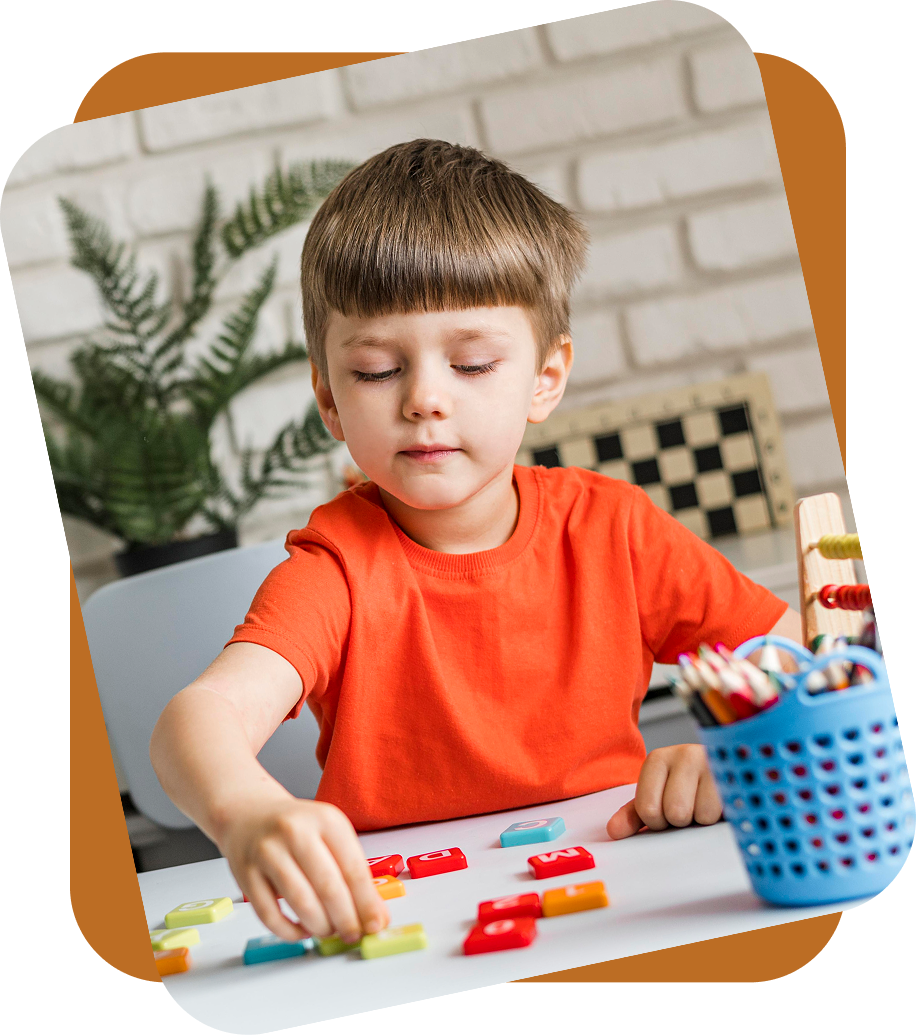
A child in an orange shirt sits at a desk, arranging colorful plastic letters on a white surface.

Let's Help Your Child Shine

Personalized ABA therapy built around your child's unique strengths and goals. Serving families in Fredericksburg & surrounding areas.

Share this article

Other articles you might like

Therapist guides autistic child with caregiver at home, fostering growth through learning support.
August 1, 2026
Discover how respite care supports Virginia autism families, connects with Medicaid waivers, and learn where parents can access trusted local resources and options.
Therapist brushes autistic child’s hair in calm self‑care, strengthening family bonds at home.
August 1, 2026
Autism parenting is demanding. Discover realistic self-care strategies, respite options, and trusted support resources to prevent caregiver burnout and thrive.
Autistic kids use colorful stickers on visual calendars, learning routines and daily awareness.
July 30, 2026
Discover how visual schedules reduce anxiety in autistic children, explore the different types available, and follow simple steps to build one effectively.
Autistic child uses tablet for visual supports and social stories, learning through digital play.
July 26, 2026
Discover what social stories are, with examples for doctor visits and school. Get practical tips to write your own and support autistic children confidently.
Autistic girl builds independence in home ABA play with therapist, practicing vital social skills.
July 26, 2026
Generalizing ABA therapy skills isn’t automatic, therapists and parents partner closely to ensure progress transfers to home, school, and daily routines.
Therapist reviews ABA progress data with a parent, explaining charts and treatment outcomes.
July 25, 2026
Learn what ABA therapists track in every session, why data matters, & how careful measurement shapes real progress in your child’s personalized treatment plan.
Therapist teaches new skills with structured instruction as autistic kids join a classroom activity.
July 24, 2026
Learn how discrete trial training in ABA breaks skills into clear steps, supports mastery, and fits alongside other proven teaching methods for children.
Smiling family celebrates an autistic child’s success, showing positive reinforcement in therapy.
July 23, 2026
Explore real ABA therapy reinforcement examples, how reinforcement schedules shape learning, and why true reinforcement differs from bribery in practice.
A Therapist reviews learning materials with autistic kid, explaining ABA therapy treatment goals
July 21, 2026
Confused by your child’s ABA treatment plan? Learn baseline, target behaviors, and mastery criteria, explained clearly in supportive, parent‑friendly terms.
Autistic kid draws with family support at home, creating a calm & welcoming setting during therapy.
July 21, 2026
A clear, reassuring walkthrough of your child’s first ABA therapy session in Virginia, from assessment to your role in the room, easing worries with guidance.
Show More