The BCBA (Board Certified Behavior Analyst)
The
BCBA designs the treatment plan, sets measurable goals, and supervises the case going forward. In many first sessions, the BCBA leads the intake conversation with you directly and may also spend time observing or interacting with your child.
The Registered Behavior Technician (RBT)
If your child will be receiving ongoing one-on-one sessions, a
Registered Behavior Technician is often the person delivering day-to-day therapy under the BCBA's supervision. The first session is frequently the RBT's chance to build initial rapport with your child through play, rather than immediately introducing structured tasks.
In our sessions, we've found that this rapport-building period is one of the most important parts of the whole process. A child who feels safe and comfortable with their therapist is far more likely to engage with the program down the line, so providers intentionally slow down here rather than rushing into formal teaching.
What Actually Happens During the First Session
A first
ABA session in Virginia, whether it's
in a clinic,
at home, or in a
school-based setting, generally follows a similar arc:
1. Warm-Up and Rapport Building
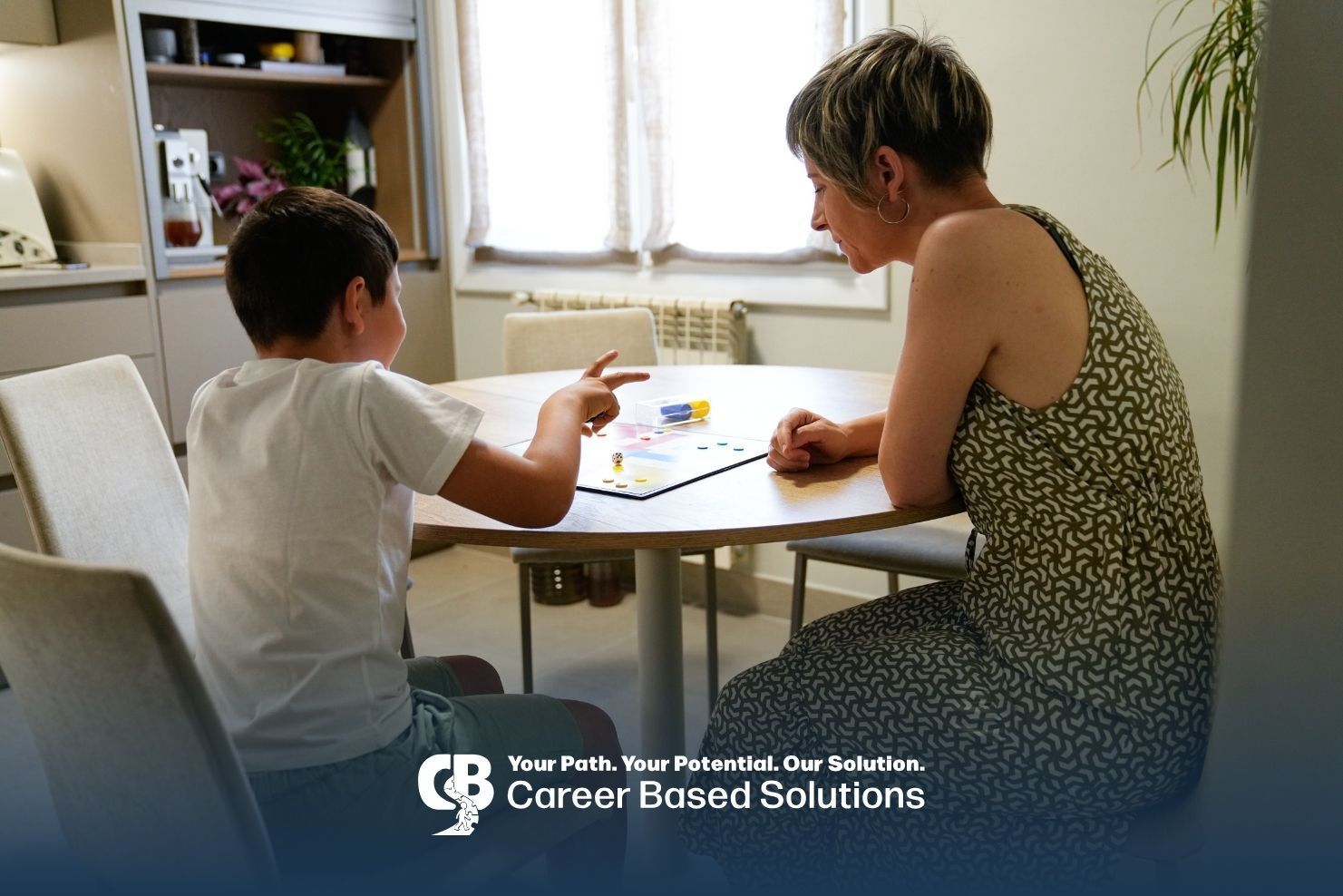
The therapist typically starts with toys, games, or activities your child already enjoys. The goal isn't to teach yet; it's to establish the therapist as someone safe and fun to be around.
2. Observation and Informal Assessment
While playing, the therapist is quietly gathering information: how your child communicates, what motivates them, how they respond to instructions, and where they might get frustrated. This isn't formal testing, and there's no "pass or fail."
3. Brief, Low-Pressure Skill Sampling
Some sessions include a short, gentle introduction to a skill area, like following a simple two-step direction or labeling an object. This is meant to be light and encouraging, not a full teaching block.
4. Wrap-Up and Parent Debrief
Most first sessions end with the therapist or BCBA giving you a quick summary: how your child responded, what stood out, and what the next steps look like.
We've seen that parents often expect this first visit to be intense or clinical, and are relieved to find it's closer to a supervised playdate with a purpose.
Your Role as a Parent During the First Session
Parents are usually welcome, and often encouraged, to stay in the room or nearby during the first session, especially for in-home or clinic-based visits.
Your role typically includes:
- Providing context in real time. If your child reacts a certain way to a toy, sound, or transition, your insight helps the therapist understand why.
- Staying calm and neutral. Children pick up on parental anxiety quickly. If you seem relaxed, it helps signal to your child that this is a safe situation.
- Not correcting or coaching your child during the session. It can be tempting to jump in and prompt your child to "answer" or "behave," but letting the therapist observe your child's natural responses gives them more accurate information to build the plan around.
- Asking questions. A first session is a two-way conversation. If something is unclear, ask.
Many providers also use this visit to start laying the groundwork for
parent training, since consistency between therapy sessions and home routines is one of the biggest factors in a child's progress.
What Happens After the First Session
After the initial visit, you can typically expect:
- A written or verbal summary of the therapist's observations
- A proposed treatment plan outlining specific, measurable goals
- A discussion of session frequency and format, whether that's in-home, clinic-based, school-based, or a combination
- Scheduling for ongoing sessions, along with any next steps for authorization or insurance documentation
If your child's needs shift over time, the treatment plan isn't static. BCBAs regularly review progress and adjust goals as your child grows and develops new skills.
Common Questions Parents Have Before the First Session
Will my child be forced to do things they don't want to do? No. Reputable ABA providers build sessions around positive reinforcement and consent-based teaching. If a child is upset or overwhelmed, the therapist adjusts rather than pushing through.
What if my child cries or refuses to participate? This is common in a first session with an unfamiliar adult, and experienced therapists expect it. It doesn't derail the process; it simply becomes part of the information the BCBA uses to plan a gentler introduction next time.
How long is a typical first session? This varies by provider and setting, but initial visits are often shorter than standard ongoing sessions to avoid overwhelming your child.
Conclusion
The first ABA therapy session is designed to be an introduction, not an evaluation your child has to perform well in. Expect a slower, relationship-focused visit built around observation, play, and a conversation between you and the care team. Knowing the general flow, intake, meeting the BCBA and RBT, rapport-building, and a debrief, can make the day feel far less uncertain, both for you and for your child.
Every family's path into ABA therapy looks a little different depending on their child's needs and the service format that fits their routine, whether that's in-home therapy, a clinic setting, school-based support, or a structured
early intervention program.
Get Started With ABA Therapy in Virginia
If you're preparing for your child's first ABA therapy session, at
Career Based Solutions,
our team is here to walk you through every step, from intake to your first day of sessions. We proudly serve families across Virginia, including
Locust Grove,
Falmouth, and
King George, with in-home, clinic-based, and school-based ABA therapy options.
Contact us today to schedule an intake consultation and learn which service format fits your family best.
Frequently Asked Questions